Understanding Dental Bonding and How It Can Restore Your Smile
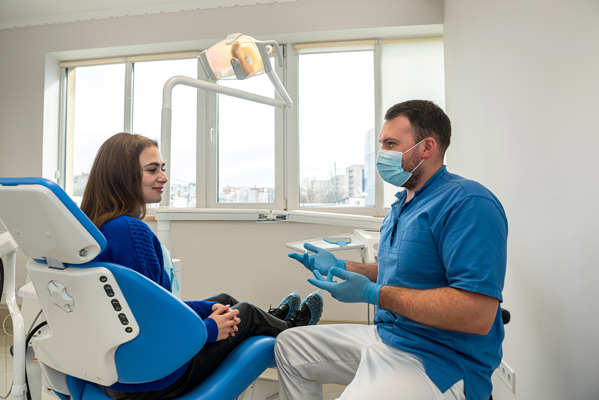
Dental bonding is a minimally invasive way to enhance or repair the smile. Whether the issue is staining or a minor crack, bonding can be a quick and effective way to address it. Learning more about this common dental service can help you determine whether it is the best option for restoring your smile.
What is dental bonding?
Dental bonding is a tooth-colored resin that general and cosmetic dentists use to repair and enhance the appearance of teeth. They apply this material directly to the tooth, sculpt it to the desired shape, and then harden (or cure) it with a special light. This technique allows the dentist to make aesthetic improvements or structural repairs in a single visit — all without the need for anesthesia or extensive preparation.
General and cosmetic dentists match the resin used in dental bonding to the natural shade of the teeth. Thus, it can blend seamlessly into the patient’s smile. Bonding is commonly chosen for its affordability, efficiency, and ability to address a range of minor imperfections. This non-invasive treatment is ideal for those who want conservative cosmetic enhancements without the commitment of more extensive procedures.
Common problems dental bonding can fix
Dental bonding can correct a variety of cosmetic and structural dental issues. Some of its most common uses include:
- Chipped teeth
- Cracked teeth
- Small gaps between teeth
- Reshape uneven teeth
- Lengthen teeth that appear too short
- Discolored teeth
Due to its adaptability and quick application, bonding is often a go-to solution for minor smile corrections that do not require more extensive restorations, such as veneers or crowns.
Maintaining your smile with dental bonding
Caring for teeth with dental bonding involves the same healthy habits recommended for natural teeth, with a few extra precautions. Bonding is durable but not as strong as enamel. Thus, patients need to avoid habits like biting fingernails, chewing on pens, or using teeth to open packaging. These actions can cause the material to chip or wear prematurely.
Daily brushing and flossing are also essential to maintain the natural teeth and the bonded areas. Using a soft toothbrush and gentle toothpaste helps reduce the risk of scratching the bonding surface. Regular dental visits are important for monitoring the condition of the bonding and addressing any issues early.
Certain lifestyle choices, such as consuming coffee, tea, or red wine, may stain the resin over time. While bonding material is stain-resistant, it is not as stain-proof as natural enamel or porcelain restorations. Teeth whitening solutions will not work on bonding. Thus, avoiding excessive exposure to staining substances and considering occasional touch-ups can help maintain a bright, natural-looking smile.
Repair your smile with dental bonding
Dental bonding has a wide range of applications. If you have a minor dental problem like a chip or crack, it could be the solution. Are you ready to learn more? Call Cleveland Dental Associates to set up an appointment with a Cleveland dentist.
Request an appointment here: https://www.clevelanddentalassociates.com or call Cleveland Dental Associates at (281) 806-3166 for an appointment in our Cleveland office.
Check out what others are saying about our dental services on Yelp: Dental Bonding in Cleveland, TX.
Related Posts
Choosing between dental bonding and porcelain veneers becomes easier when a cosmetic dentist outlines the benefits, limitations, and long-term value of each option. Many adults today seek smile enhancements that are both natural-looking and durable, but understanding which treatment best fits specific goals can feel overwhelming without professional input. A cosmetic dentist considers factors such…
Are you in need of a dental restoration? Many people need to restore their teeth at some point or another in their lives. Dental restorations are often required when the teeth are in bad shape due to decay, damage, aging, or a lack of oral hygiene. Fortunately, modern dentistry has multiple restorations to choose from.Knowing…
For optimal oral health, it is a general rule of thumb to receive professional teeth cleaning every six months. Some patients need even more frequent cleanings to maintain a healthy smile. Knowing the reasons why this would be necessary can help you make informed oral health decisions.Professional teeth cleaning is a foundational element of preventive…
While dental implants can last a lifetime, the implant crown portion will eventually need replacement. When discussing this, it helps to understand the difference between an implant crown and a dental crown. Unlike a dental crown used to repair or reinforce a tooth, implant crowns are placed over the titanium implant post to serve as…